Independent Artist Management: How to Turn Creativity into a Structured Business
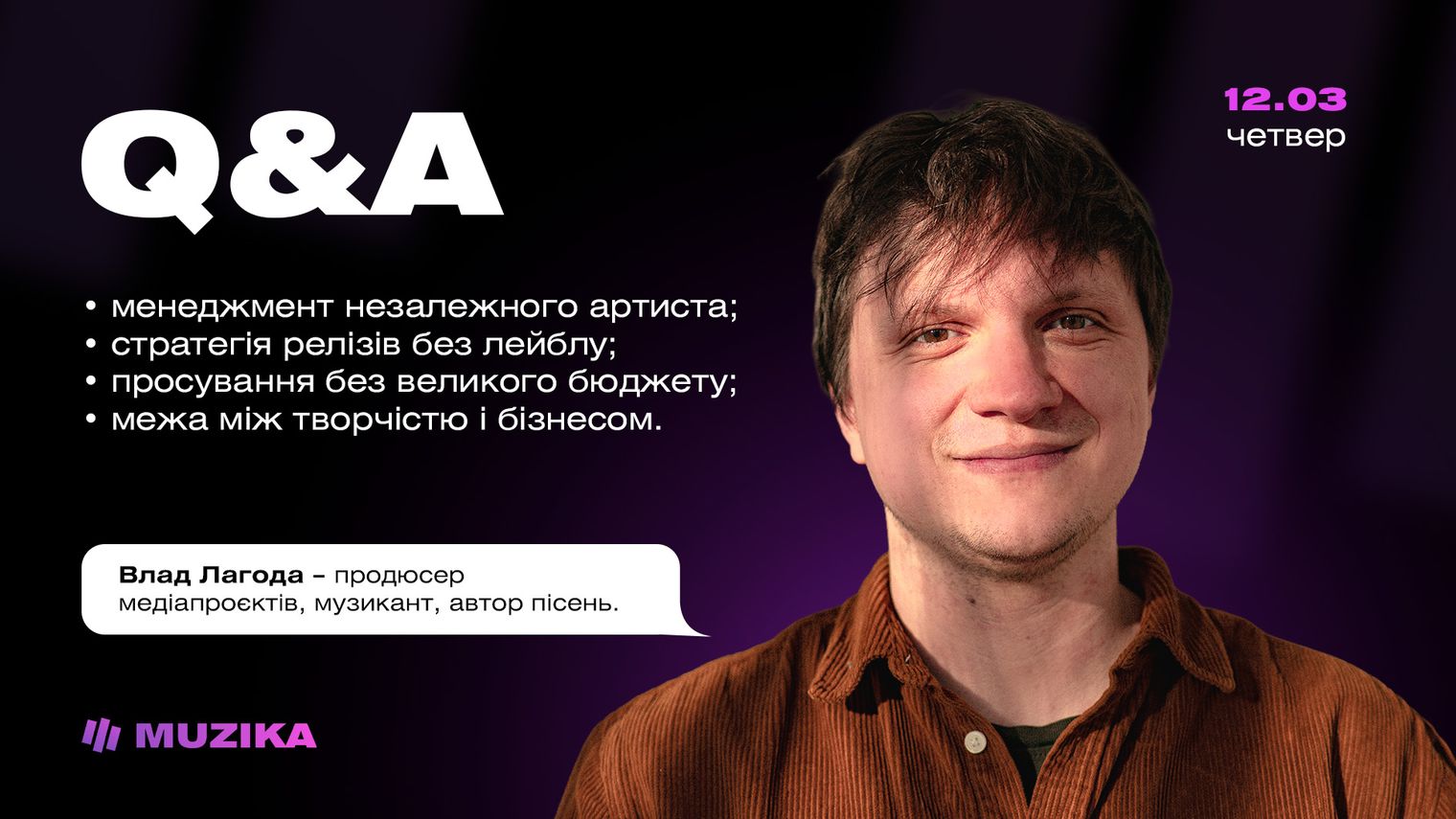
Vlad Lahoma — media project producer, musician, songwriter
Summary of the online meeting from 12.03.2026
Most independent musicians make the same mistake: they wait to be noticed just because they are talented. But in today’s world, success is mathematics, hypothesis testing, and timely delegation.
At the muzika.ua QA session, Vlad Lahoma, producer of the Tember Blanche project and host of the YouTube show "Sounds", shared practical experience of how to go from street performances to contracts with brands and major distributors. We’ve gathered the main takeaways to help you build your own strategy.
1. When does an artist really need a manager?
Many people think a manager is a magician who will come along and “make you a star.” Vlad Lahoma emphasizes: at the start, your best manager is yourself or someone who genuinely believes in the project.
“Delegate as early as possible. If someone around you believes in the project, it’s good to have an outside person involved. But legally document the terms of cooperation, even if it’s your friend, to avoid disputes over profits in the future”
Tip: If you can’t afford a full-time manager, look for a payment model based on a percentage of gigs or project work.

📸 @katrusiya.havryliv
2. Music as a business: two key mistakes
Independent artists often get lost in the process because there is no structure. Vlad highlights two critical points:
1. Lack of metrics: The goal “I want to be famous” doesn’t work. You need specific KPIs: number of streams, followers, reach.
2. Lack of accountability: If a task is everyone’s responsibility in a little bit, it won’t get done.
“If you don’t treat music as a business, you won’t be able to measure the effectiveness of your decisions and you’ll never understand the real sources of your income”
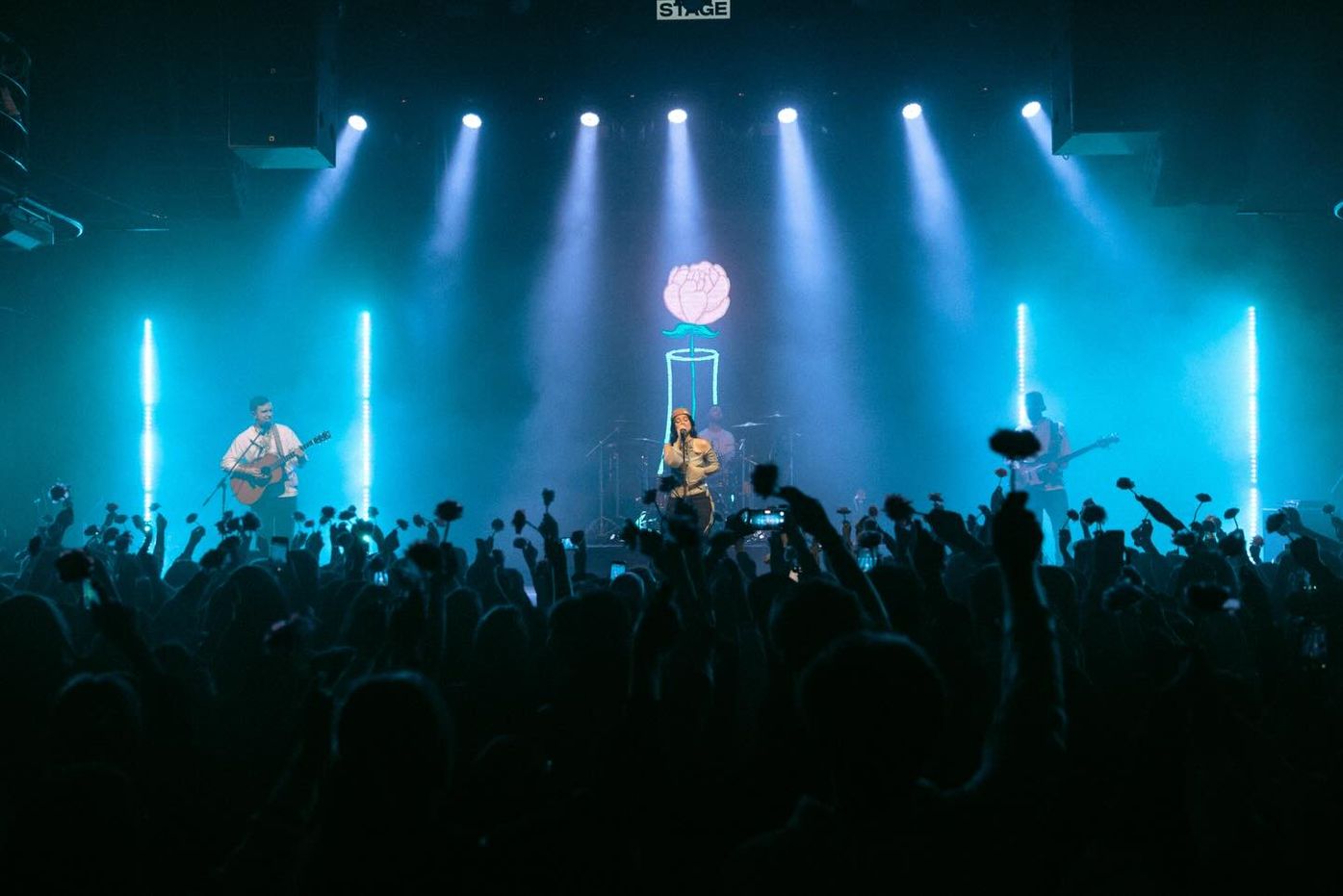
📸: @shavlovskaya_tania
3. Launch plan: from “zero” to first results
Don’t release one song and wait for a miracle. Vlad recommends a “batch of material” strategy:
Preparation: In the first six months, write 4–6 fully finished (mixed) songs.
Content plan: For each track, prepare at least 20–30 videos for TikTok/Shorts (acoustic, lyric videos, backstage).
Testing: Use social media and street performances as a focus group. If you see a video taking off organically, only then add a budget for targeted ads.
4. Finding your niche: the “BookTok” case
Don’t try to please everyone. Look for overlapping interests within your audience. For example, Tember Blanche found that their songs resonate with book lovers.
“We found a patron audience in BookTok. A small ad boost (around $100) and seeding through book bloggers had a huge effect and led to a lot of reshoots.”
5. Distribution and playlists: what’s the secret?
Should you go with major distributors (Believe, The Orchard)? It all depends on your goals:
For reach: Major players have better connections with streaming editors (priority pitching).
For earnings: Smaller aggregators often offer a more favorable royalty split for the artist.
“No distributor guarantees playlists — the decision is always up to the editor. But a quality pitch and marketing plan dramatically increase your chances.”
6. Working with brands and festivals
Brands don’t buy music — they buy reach and associations. To get the conversation started, prepare a presentation that includes:
- Your audience demographics.
- Integration formats (what you can offer beyond “a story post”).
- Reach forecast.
7. How do you avoid burnout in the “content race”?
The constant need to create videos for algorithms is exhausting. Vlad advises changing your approach:
- Delegate part of the filming.
- Create different formats for the same track (remixes, live versions).
- Remember: what you’re seeing for the tenth time, a new audience is seeing for the first time.
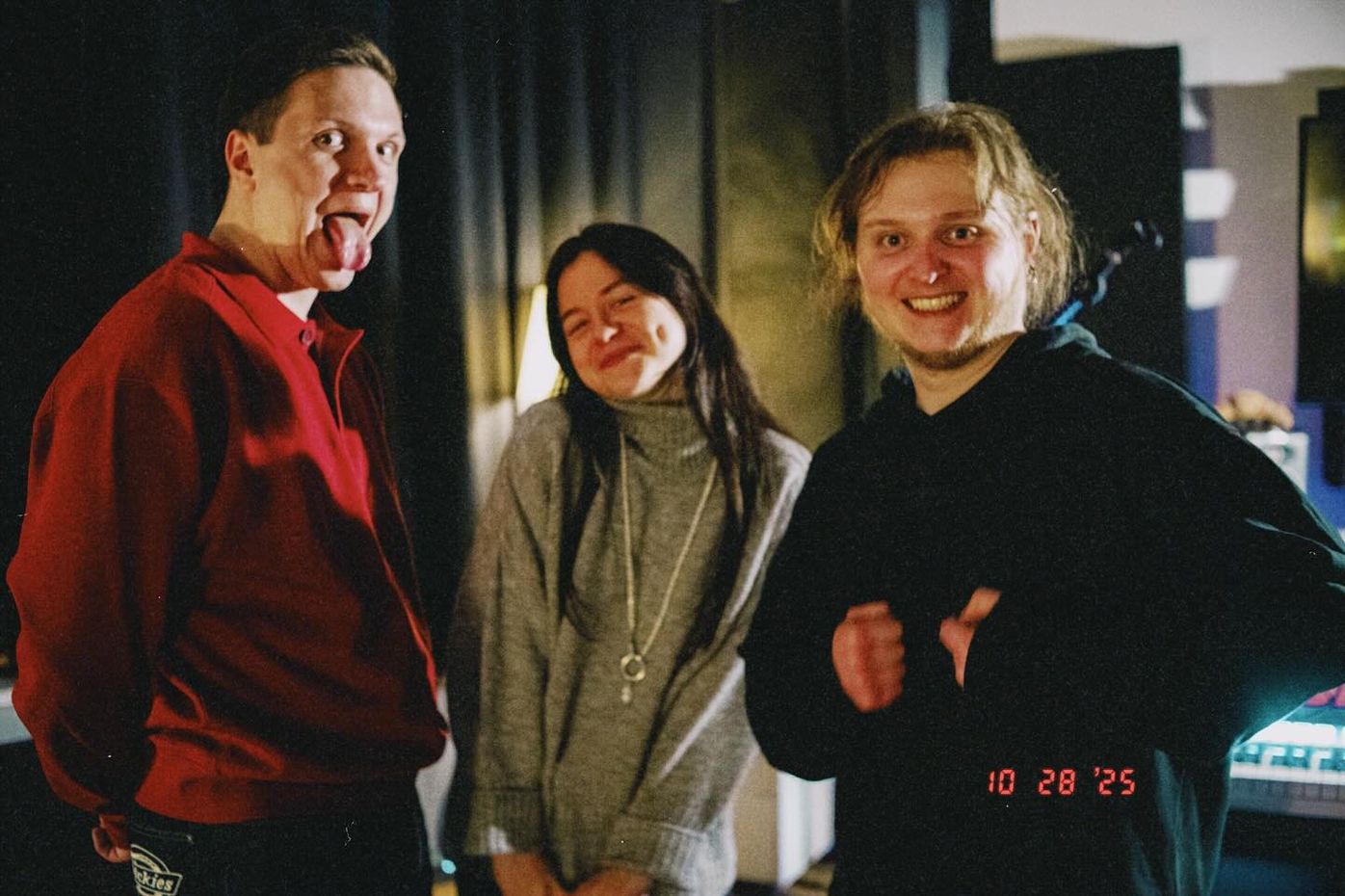
Photo from the Tember Blanche archive
Below are short practical tips (clear steps, action templates) in response to the main questions from participants that were asked to Vlad Lahoma.
When to hire a manager / who should you delegate to first?
Hiring indicators: you regularly spend >10–15 hours/month on operations (booking, negotiations, riders) or lose contracts due to lack of time.
Who to hire first: concert/booking manager (if you do gigs) or operations/PR manager (if you have a lot of integrations).
Payment model: fixed fee + bonus/percentage from integrations or a project rate (to start).
Must-have: put responsibilities and revenue split in writing.
Common indie-artist mistakes and how to avoid them
🔴 Mistake: “I just want to be cool” without metrics.
🟢 Solution: set 2–3 measurable goals (streams/tickets/revenue) and track them monthly.
🔴 Mistake: no one accountable for the task.
🟢 Solution: assign an owner for each important task.
🔴 Mistake: chaotic releases.
🟢 Solution: a 3-month release plan + content plan (30 TikToks/Reels per release).
The first 6 months of the project launch (specific plan)
Month 1: write and develop 4–6 songs into demos; choose the 2 most alive ones.
Month 2: record/mix to the minimum required quality + 1 acoustic video for each song.
Month 3: prepare a release calendar, content plan (30 videos for 1 song), build an email/Telegram list.
Month 4: testing — seed the songs in niche communities (TikTok/BookTok/gamers) + a small ad boost ($50–150) on the release.
Month 5–6: organize 1–2 small solo shows/home concerts, collect data (ticket sales, reach), adjust the strategy.
How to plan your first live show without an audience (minimize costs)
Look for themed venues (home concerts, bars, parties) with an audience for your genre.
Minimize costs: split the bill with 2–3 artists; agree on a percentage of ticket sales.
Stand out: a unique instrument/visual/concept (this sells more than just “playing well”).
How to work with Patreon / find patrons
Basic idea: turn passive listeners into a warm audience (Telegram/YouTube community).
Funnel: shorts → YouTube/Instagram post → Telegram subscription → exclusive content on Patreon.
Value for patrons: exclusive demos, closed sessions, early access, alternate versions of songs.
Initial target: 1–2% of an active audience can become paying (test offers and prices).
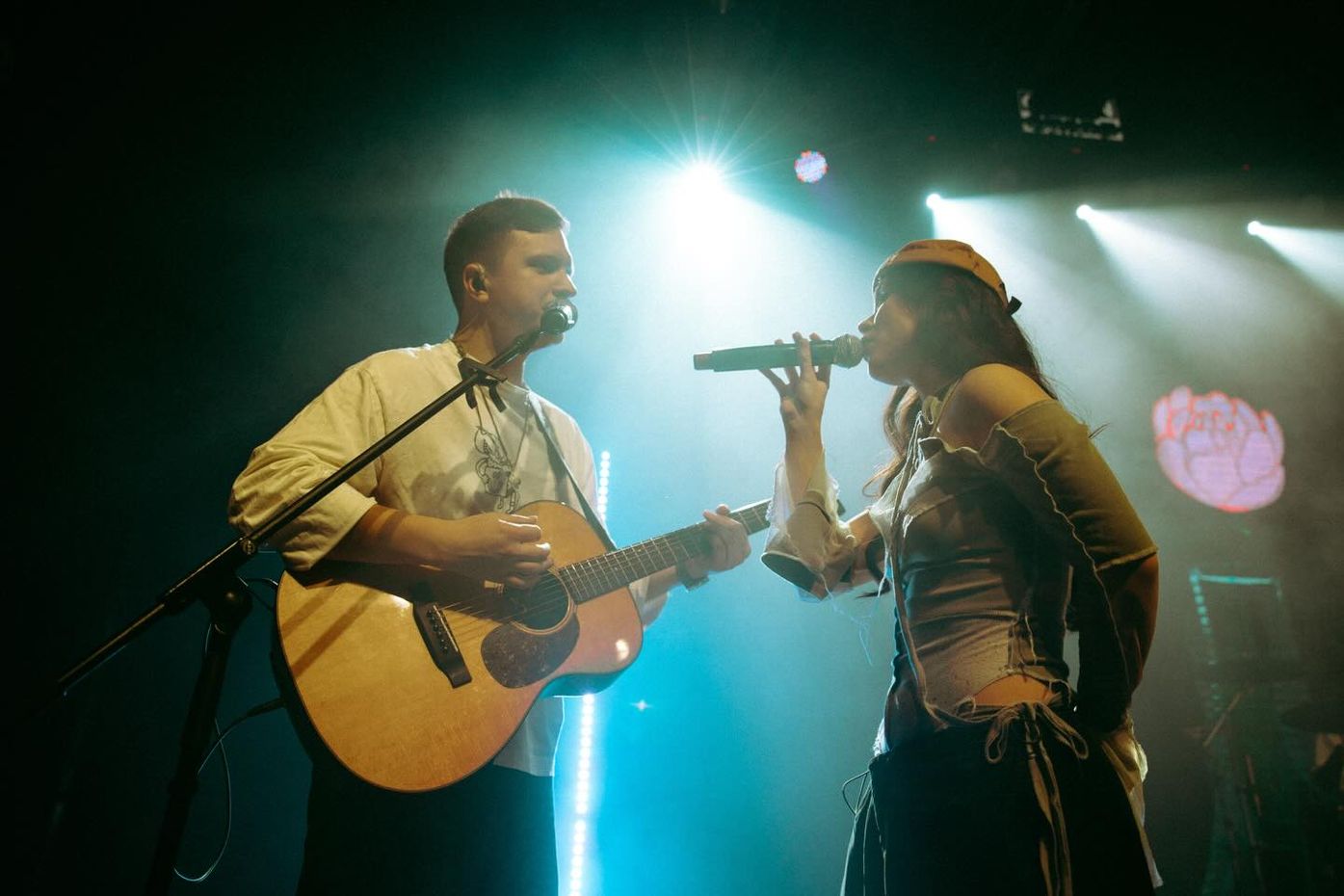
📸: @shavlovskaya_tania
Distribution and pitching to editorial playlists
If the goal is maximum streaming revenue → choose an aggregator with better royalty terms.
If the goal is editorial pitching → a major/strong distributor with Priority pitching (independent/labels) will help.
Pitching practice: prepare a one-pager for the release (text, audience, promo plan, release budget) and send it to the distributor/Spotify for Artists.
Don't put all your eggs in playlists — use targeting + niche communities.
Synchronization (soundtracks, advertising) — how to get work
Prepare a package: WAV/MP3 + metadata (ISRC, IPI, writers, tempo, key, genre).
Respond quickly: if they ask for data, reply within an hour.
Where to look: music libraries, production houses, music supervisors, sync-brief platforms (Intervox, other marketplaces).
Price: Ukrainian projects often pay modestly — consider international marketplaces for higher rates.
How to make a brand offer / integration presentation (template)
Presentation structure (1 slide = 1 block):
1) who you are and a brief audience overview;
2) demographics + cases;
3) the integration concept (what exactly you will do for the brand);
4) expected metrics (reach, impressions);
5) price/cooperation format.
Tip: bringing a ready-made solution = a higher chance of getting a budget.
Add examples of content (clip/posts/stories) and a clear rollout timeline.
How to deal with content fatigue (when you’re “sick of your own song”)
Delegate: hire someone/freelancer to create Reels; you retain approval rights.
Content rotation: prepare 10–30 different creatives for one song (acoustic, lyric, behind-the-scenes, meme concept).
Reframing: give the song a different context (collaboration with a blogger, remix, use in another format).
Teams: producer vs manager — clear on roles
Producer: shapes the artistic/marketing vision (which songs, concepts, who to collaborate with).
Manager: implements operationally (budget, negotiations, riders, schedules, logistics).
Rule: producer — “What we do and why,” manager — “How to do it and when.”
Summary for an independent artist:
1. Product first: Test songs with an audience before investing thousands of dollars in promotion.
2. Team: Separate the roles of Producer (vision/creative) and Manager (operations/logistics).
3. Metadata: Always have ISRC, IPI, and instrumentals on hand for potential sync pitches in film or advertising.
Success in music today is not a lucky break, but being ready to act when that break comes.
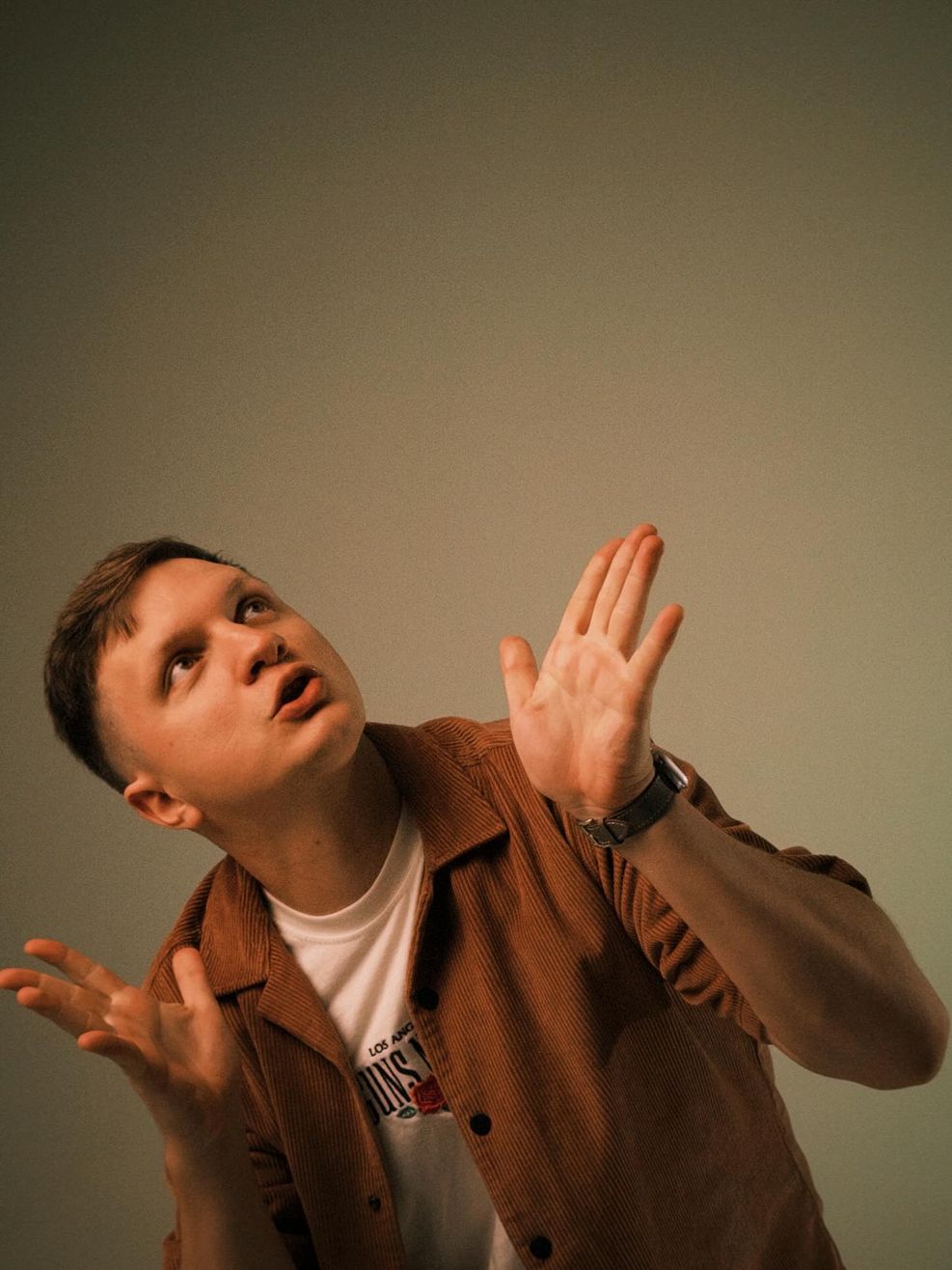
Photo from Vlad Lahoda’s archive 📸 @nastinello
Author: Vlad Lahoda