Earnings as Part of Art
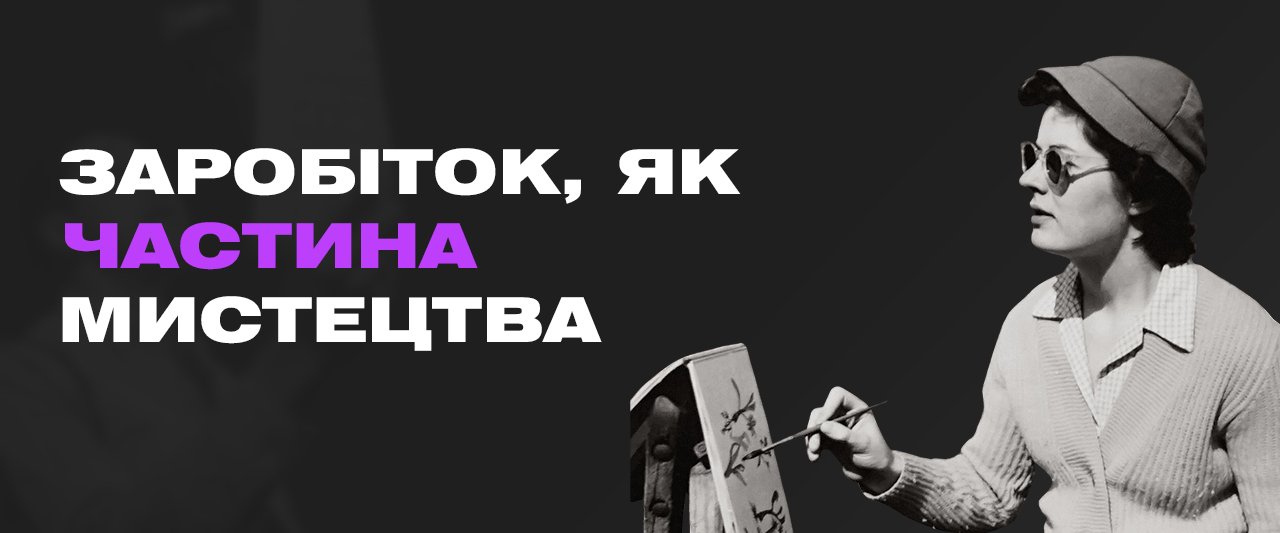
Finance never left art; it hid in its shadow.
Introduction
Creativity is a unique form of self-expression that goes beyond words and actions; it has the ability to touch the depths of human emotions, provoke reflection, change worldviews, and even society. Yet there is a narrative: "a true artist does not think about money." Over time, the myth has taken hold in many people’s minds that true art must exist separately from financial considerations, and that artists are people who should create exclusively "for the soul," without expecting material rewards. And this myth has become so deeply rooted that even today modern artists often believe in it, willingly agreeing to conditions that exploit them, just so as not to seem "commercial."
However, why do we assume that an artist who monetizes their creativity will lose their authenticity? Perhaps the reason lies in a mistaken understanding of the very nature of creativity. The creative process requires enormous dedication — it is not merely inspiration, as the average person may think, but titanic labor. How does an artist create a new song? They invest hours of work, prior experience, experiments with harmony and lyrics, work on the arrangement, recording of instruments and vocals, mixing and mastering, which does not come without investing in the product. How does a painter create a painting? They do not simply apply brushstrokes to canvas, but go through a series of complex decisions, from finding an idea to choosing a color palette, techniques that need to be learned and honed through experience, embedding meaning and capturing an entire story in the painting. How does a writer write a book? They reflect on every sentence, filling it with meaning and emotion, create the book’s overall concept, search for and research material that will help make the information more substantive. They conduct interviews and meetings. They involve illustrators, editors, and proofreaders in the work. They invest money in publishing the book, look for a narrator and a recording studio to record it, and the process can take years.
Why not acknowledge that an artist’s work is just as much work as any other? Money earned for a work of art does not devalue it; on the contrary, it confirms that the work matters in the modern world. Self-employment, without a boss or manager, is even harder because of the level of responsibility and stress. This is not just inspiration that appears with a wave of a magic wand — it is work that requires effort, time, and self-discipline.
The Myth of the "Starving Artist"
The idea of the "starving artist" became popular in culture and art thanks to numerous stories about talented artists who suffered poverty during their lifetimes. This myth has become so deeply rooted in the public consciousness that many contemporary painters, musicians, and writers see poverty as an integral part of their creative path. Such an image of self-sacrifice for the sake of art creates the notion that a true artist must live by "pure art," rejecting material values.
Vincent van Gogh, one of the most famous painters in history, sold only a few of his paintings during his lifetime, and died in poverty and psychological distress. His works, which are now valued at tens of millions of dollars, became objects of trade only after his death. A similar fate befell many other artists, including poet Edgar Allan Poe, composer Wolfgang Amadeus Mozart, and many others. They created brilliant works that shaped humanity’s cultural heritage, but they were unable to receive proper compensation for their contribution to the development of art.
Such stories fuel the romanticized notion that in order to remain "pure" in their calling, an artist must sacrifice their well-being for the higher purpose of creating art. This is a deeply rooted archetype: the artist-genius who, despite lack of recognition, difficult life circumstances, and lack of money, remains faithful to their muse and continues to create.
However, the image of the "starving artist" also serves as a tool for justifying unfair working conditions for artists in the modern world. Many creative people believe that if they seek to earn money from their creativity, they will automatically become "commercial" and betray the true essence of art. This idea lowers their self-esteem, pushing them to agree to free or inadequately low-paid work, because commercial success supposedly contradicts the true purpose of art.
Stories about "starving artists" are also convenient for those who profit from other people’s creativity. Companies, exhibition organizers, music labels, and other intermediaries often use this myth to maximize their own profits while paying creators only a small share. This allows them to exploit artists, convincing them that commercial success is not for them, and that art should exist "outside money."
An artist has the right to earn money and to live a full life through their work. The modern world can no longer accept the stereotypes of past eras, when poverty was seen as a sign of creative purity. On the contrary, fair earnings allow an artist to focus on their calling without being distracted by the search for a livelihood. An artist who knows how to monetize their creativity can create more and more deeply, because they do not have to worry about financial stability.
It’s Time to Change Attitudes
The myth of the "starving artist" has nothing to do with the reality of the creative process and deserves to be rethought. Personally, I have a goal of raising a new generation of artists who believe in the value of their work and are ready to demand fair compensation. Artists can be entrepreneurs of their own talent, ready to defend their interests and shape a new culture of relationships in the art world.
The success of contemporary artists such as Banksy or Taylor Swift shows that it is possible to preserve authenticity while also receiving recognition and compensation for one’s work. Money and art are not antagonists — they are resources that can coexist, supporting one another and helping artists reach new heights.
Art and Commerce: Harmony, Not Contradiction
In today’s world, where digital platforms like Spotify, YouTube, Etsy and others give artists access to the global market, earning a living from art has become a reality for many. One of the most common misconceptions is that commercial success means compromising one’s creative vision. But history shows that many artists have achieved commercial success while remaining true to their creative mission. The aforementioned artist Banksy, while maintaining his anonymity and the social message of his works, also sells paintings for millions of dollars. This is an example of how commerce can coexist with authenticity.
In today’s world, there is another problem — offers to work for free “for the experience” or “for the portfolio.” This trend fuels the idea that art is not worth paying for, and that an artist should agree to such conditions for the chance to be noticed. However, this only reinforces the exploitation of creative people.
Artists should change their approach to their own work by establishing paid relationships with clients and organizers. This will not only raise the level of respect for their work, but also contribute to shaping a new culture in which creativity is valued as highly as other professional services.
How do you change attitudes?
The first step toward changing attitudes is for artists to acknowledge the fact that their creativity is not merely inspiration or a hobby, but full-fledged work that deserves payment, and that the result of that work is intellectual property of value. An artist who recognizes that value will be more confident in setting clear terms of cooperation with clients, concert promoters or exhibition organizers that guarantee fair financial relations.
The next step is to create clear, transparent terms of cooperation. This involves contractual relations in which the rights and obligations of both parties, as well as the financial terms, are discussed and documented. In the creative industries, the practice of verbal agreements or informal contracts still exists, opening the door to the exploitation of artists.
Introducing clear contractual standards will help raise the professional level of the industry and ensure artists stability and protection of their interests. This will not only minimize the risk of being cheated, but also increase the level of respect for their work on the part of clients. A client who enters into a contract undertakes to fulfill their promises, which also reduces the risk of conflicts and misunderstandings.
Do you feel like you need a personal consultation with someone who will understand?
REACH OUTAuthor: Pavlo Streletskyi